
Navigating Workplace Safety: Challenges, Management Strategies, and Support from ALG Centre
10/19/20258 min read
Understanding Workplace Safety Issues and Challenges
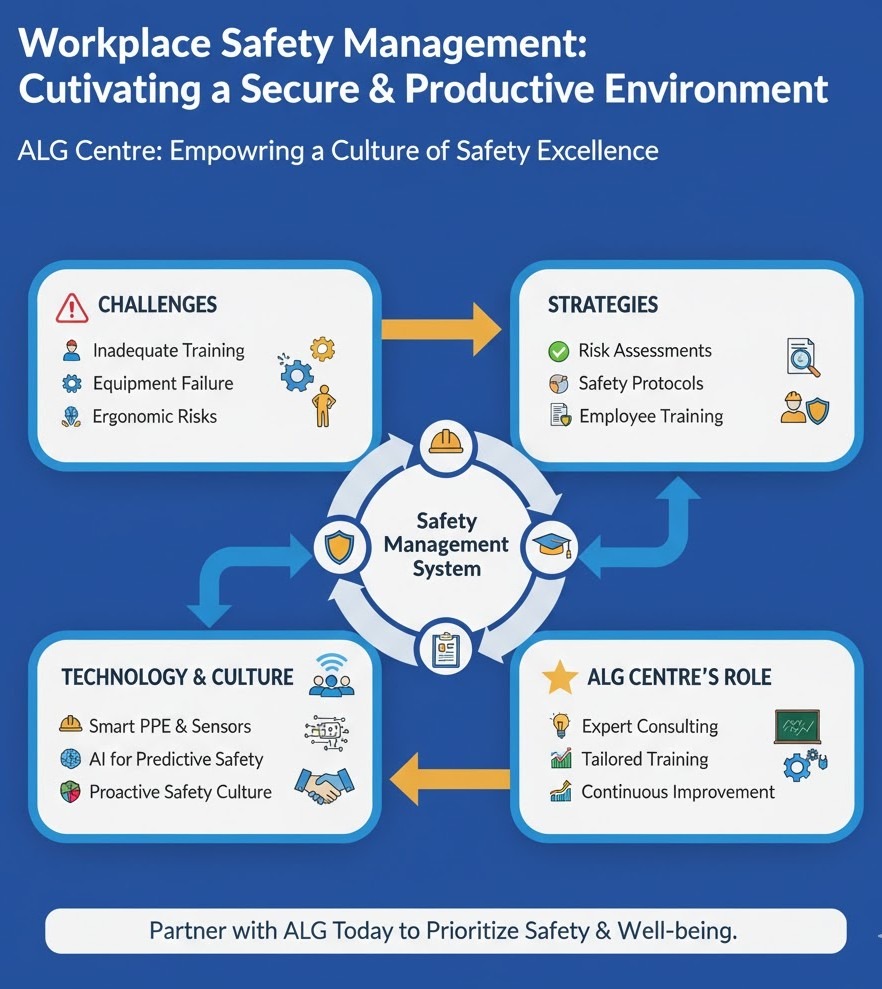
Workplace safety is a critical concern for organizations across various industries. Understanding the myriad of issues and challenges that can compromise safety is essential for effective management. Common hazards can differ significantly depending on the environment; for instance, construction sites often present risks such as falling objects, heavy machinery operation, and work-at-height scenarios. Conversely, manufacturing environments may expose employees to equipment failures, chemical spills, or noise-related issues. Office environments, while seemingly less hazardous, are not without their risks, which can include ergonomic challenges from prolonged sitting, inadequate lighting, and even stress-related incidents.
One significant challenge organizations often face is inadequate training for their employees. Without proper safety training, workers may not understand the risks associated with their roles or how to mitigate them effectively. This lack of awareness can lead to accidents, injuries, and increased liability for businesses. Moreover, continual technological advancements often necessitate ongoing training, which organizations may overlook, thus exacerbating safety issues.
Another prevalent challenge includes equipment failures, which are particularly prominent in manufacturing and construction sectors. Machinery that is not regularly maintained can malfunction, resulting in dangerous situations for employees. Employers are responsible for ensuring regular inspections and maintenance schedules to minimize these hazards.
Furthermore, ergonomic risks, while often less visible, can have profound effects on workplace safety. Poorly designed workspaces, repetitive motions, and improper lifting techniques contribute to musculoskeletal injuries, which can significantly affect employee productivity and well-being.
Lastly, workplace culture plays a pivotal role in safety practices. A culture that prioritizes safety encourages employees to report hazards and engage in safe behaviors, while a lack of emphasis on safety can lead to negligence and an increase in workplace incidents. Identifying and addressing these challenges is crucial for safeguarding employees and creating a healthier work environment.
The Importance of Safety Management for Employees and Employers
Safety management systems serve as a cornerstone for maintaining a secure and healthy work environment, benefiting both employees and employers significantly. Implementing effective safety protocols not only protects workers but also reduces liabilities for organizations, leading to a decrease in injury rates. By fostering a workplace culture that prioritizes safety, companies can minimize the occurrence of accidents, thereby enhancing productivity and promoting employee well-being.
One of the primary advantages of safety management is its direct impact on the morale of employees. When individuals feel secure in their work environment, they are more likely to be engaged and committed to their roles. This heightened sense of safety encourages employees to communicate openly about potential hazards, contributing to a proactive environment where risks can be identified and eliminated promptly. Furthermore, a high level of morale has been linked to increased job satisfaction, which in turn leads to lower employee turnover rates.
In addition to improving employee morale, effective safety management offers substantial financial benefits for organizations. The reduction in workplace injuries translates into lower compensation claims and decreases in healthcare costs. Moreover, organizations that actively promote safety can see significant savings over time, as fewer accidents lead to less downtime and more productive workdays. These financial savings can ultimately be reinvested into the company, fostering growth and development.
Establishing a culture of safety is an ongoing process that requires commitment and continuous improvement. Employers must invest in training, equip staff with necessary resources, and consistently revise safety protocols to adapt to changing workplace conditions. By embracing these practices, both employees and employers stand to benefit, reinforcing the critical importance of safety management in the overall operational success of an organization.
Common Safety Challenges in the Workplace
Workplaces often encounter a variety of safety challenges that can significantly affect overall safety management and employee well-being. One prominent issue is communication barriers. Effective communication is essential for ensuring that all employees are aware of safety protocols and procedures. Misunderstandings can arise from language differences, lack of clarity in messaging, or insufficient training, leading to mistakes that compromise safety.
Compliance with safety regulations is another critical challenge faced by organizations. Many businesses struggle to keep up with evolving regulations and standards established by regulatory bodies. This difficulty can stem from a lack of resources, insufficient training, or inadequate safety policies that fail to meet current requirements. When compliance is overlooked, it can result in legal consequences, financial penalties, or accidents that jeopardize the safety of employees.
Inconsistent safety practices within a workplace can exacerbate existing risks. When safety measures are not uniformly implemented across various departments, employees may become confused about the correct protocols to follow. This inconsistency often stems from a lack of managerial oversight or varying interpretations of safety practices among teams. In a real-life example, a manufacturing company experienced an uptick in accidents due to differing safety protocols being used on the production floor, highlighting the importance of standardized safety practices.
Moreover, resistance to change among employees poses a significant hurdle in implementing effective safety measures. Employees may be accustomed to certain routines and reluctant to adopt new safety practices or technologies. This resistance can be detrimental to workplace safety as it hinders the adaptation to more effective, contemporary practices that could mitigate risks. Providing sufficient training and demonstrating the benefits of new safety measures can help alleviate this resistance.
Strategies for Effective Safety Management
Implementing an effective safety management system is essential for maintaining workplace safety and minimizing the potential for accidents and injuries. A systematic approach to safety begins with conducting thorough risk assessments. This process involves identifying hazards within the work environment and evaluating the potential risks associated with these hazards. By regularly assessing risks, organizations can prioritize safety issues and allocate resources more effectively to mitigate them.
Once risks have been identified, developing comprehensive safety protocols is paramount. These protocols should clearly outline procedures and policies designed to minimize exposure to hazards. This includes everything from emergency response plans to day-to-day operational safety guidelines. Moreover, it is critical that these protocols are easily accessible and communicated effectively across the organization to ensure all employees are aware of safety expectations and procedures.
Providing regular employee training is another vital strategy for enhancing safety management. Training should not only address the specific safety protocols in place but also foster a culture of safety within the organization. Engaging employees through interactive training sessions can enhance their understanding of safety measures and empower them to prioritize safety in their everyday tasks. Continuous training updates are also important as they keep employees informed about new hazards, practices, or regulatory changes impacting their work.
Lastly, continuous monitoring and improvement of safety management processes are crucial. Organizations should routinely evaluate the effectiveness of their protocols, training, and risk assessments. This may involve conducting safety audits or gathering employee feedback on safety practices. By fostering an environment of continuous improvement, organizations can adapt to emerging safety challenges and cultivate a proactive approach to workplace safety management.
Role of Safety Training in Reducing Workplace Risks
Safety training plays an essential role in reducing workplace risks and fostering a culture of safety. By equipping employees with the necessary knowledge and skills, organizations can significantly mitigate the potential hazards that may arise during daily operations. Training programs serve as the foundation for building awareness about safety protocols, emergency procedures, and risk management strategies that are vital for maintaining a safe work environment.
There are various methodologies employed in safety training, each tailored to meet the specific needs of the organization and its workforce. In-person training sessions offer the advantage of direct interaction between trainers and employees, allowing for immediate feedback and practical demonstrations. This type of training can also promote group discussions, fostering a collaborative approach to identifying and addressing risks. However, scheduling conflicts and geographical limitations may hinder attendance, necessitating alternative options.
Online safety training has gained popularity due to its flexibility. Employees can complete courses at their own pace and convenience, ensuring that training fits seamlessly into busy schedules. These programs often incorporate multimedia elements like videos and quizzes, enhancing engagement and information retention. Nevertheless, online training may lack the hands-on experience essential for certain tasks, emphasizing the importance of a blended approach.
Hands-on training is particularly crucial for roles that involve the use of machinery or exposure to hazardous materials. Simulated scenarios provide employees with practical experience, ensuring they are better prepared for real-life situations. For instance, first aid or fire safety training conducted through drills equips employees with the skills to respond effectively during emergencies.
Furthermore, ongoing education in safety practices is paramount in an ever-evolving work environment. Regular refresher courses keep skills current and adapt to new regulations or technologies, ensuring that employees remain informed and vigilant. Thus, implementing comprehensive and continuous safety training programs is fundamental for organizations committed to minimizing workplace risks and promoting employee well-being.
The Impact of a Safety Culture on Workplace Safety
The concept of safety culture within organizations plays a crucial role in enhancing overall workplace safety. A positive safety culture not only promotes the well-being of employees but also leads to improved safety outcomes, thereby benefiting the organization as a whole. A strong safety culture fosters an environment where safety is prioritized, and each employee feels empowered to contribute to a safer workplace. This cultural shift is often a reflection of the values, beliefs, and behaviors that shape how safety is perceived and managed in an organization.
Several factors contribute to the establishment of a robust safety culture. First, effective leadership is essential; leaders must demonstrate a commitment to safety through actions and communication. They should set clear expectations and provide the necessary resources and training to help employees adhere to safety protocols. Secondly, employee engagement is crucial. Workers who are actively involved in safety discussions and initiatives are more likely to take ownership of safety practices. This participation can be fostered through regular safety meetings, training sessions, and feedback mechanisms that allow employees to voice their concerns and suggestions regarding workplace safety.
Real-world case studies illustrate the impact of a strong safety culture. For instance, organizations that have cultivated an environment of shared responsibility for safety have reported significantly lower accident rates. One notable example is a manufacturing company that implemented comprehensive safety training programs and encouraged employee feedback on safety practices. As a result, the organization not only saw a decrease in workplace injuries but also an increase in employee morale and productivity.
In conclusion, cultivating a strong safety culture is imperative for organizations striving to enhance workplace safety. By prioritizing effective leadership and fostering employee engagement, companies can instill a sense of responsibility towards safety. This cultural transformation ultimately leads to improved safety performance and a healthier work environment for all personnel involved.
How ALG Centre Supports Workplace Safety Initiatives
Workplace safety is a critical component of any organization, as it directly impacts employee well-being and operational efficiency. The ALG Centre plays a pivotal role in empowering businesses to enhance their safety management practices through a variety of tailored resources and support services. By providing expert consulting services, the ALG Centre meticulously assesses organizational safety needs, identifying specific risks and developing customized strategies for mitigation. This hands-on approach ensures that organizations are not only compliant with safety regulations but also cultivating a proactive culture of safety.
In addition to consulting, ALG Centre offers comprehensive training programs designed to equip employees and management with essential safety knowledge and skills. These programs cover a wide range of topics, including emergency preparedness, hazard recognition, and the implementation of safety protocols. The training sessions are practical and interactive, fostering an engaging learning environment that effectively reinforces the importance of workplace safety. By investing in staff education, organizations can significantly reduce the likelihood of accidents and create a safer workplace for all employees.
Furthermore, the ALG Centre provides organizations with essential tools for risk assessment and safety management. These tools facilitate the identification and evaluation of potential hazards within the work environment and assist in developing appropriate responses to ensure safety compliance. The integration of technology into safety management processes allows for streamlined communication and efficient reporting, ensuring that all safety concerns are addressed in a timely manner. The support from ALG Centre not only enhances workplace safety initiatives but also fosters a collaborative relationship between the organization and safety experts.
Engaging with partners like ALG Centre is invaluable for organizations aiming to develop effective safety management strategies and drive continuous improvement in workplace safety practices.