
Navigating Leadership Challenges: Strategies for Success and Positive Impacts of Strong Leadership Across Sectors
10/20/20258 min read
Understanding Leadership Challenges
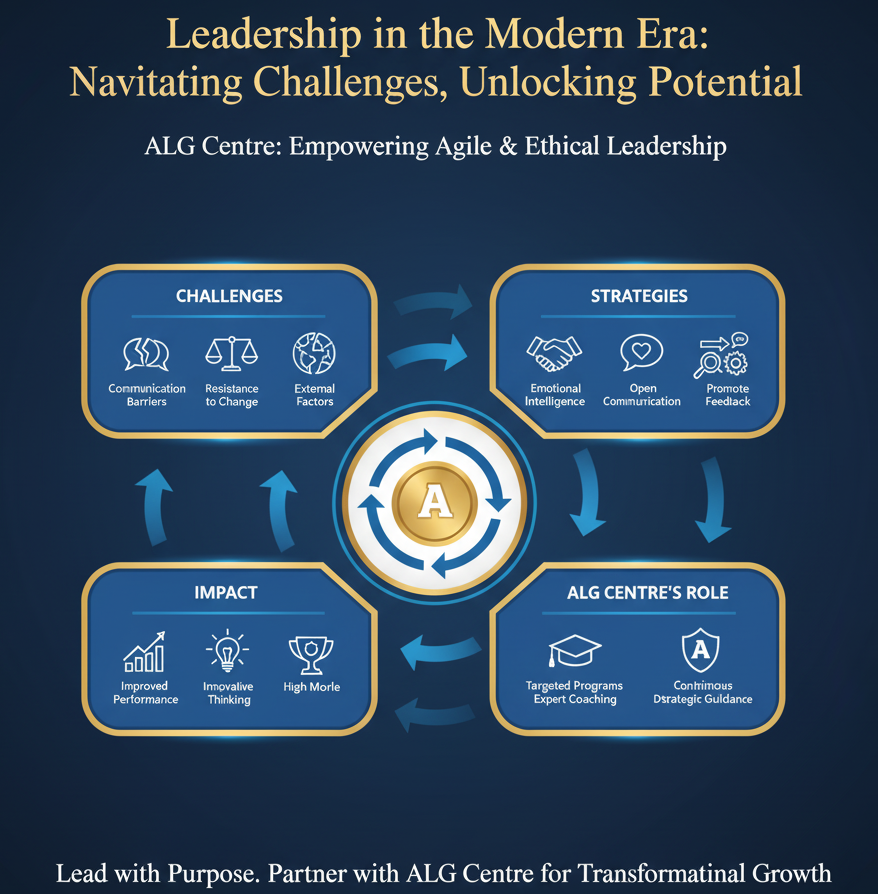
Leadership challenges are multifaceted and can significantly impact effectiveness across various sectors, including corporate, nonprofit, education, and healthcare. In today's dynamic environment, leaders frequently encounter communication barriers that can hinder their ability to convey strategies and foster collaboration among team members. The rapid evolution of technology and communication methods can lead to misunderstandings or information silos, causing frustration and inefficiency within organizations.
Another prominent challenge leaders face is resistance to change. In an era marked by continuous transformation, organizations must adapt to new processes, technologies, and market demands. However, team members may be reluctant to embrace these changes due to fear of the unknown or loss of job security. This resistance can create significant obstacles for leaders striving to implement innovative practices or shift organizational cultures effectively.
Decision-making dilemmas also pose considerable challenges for leaders. The pressure to make timely and informed decisions can be overwhelming, especially when leaders must weigh numerous factors and potential outcomes. In the face of conflicting priorities, limited resources, and varying stakeholder interests, leaders must exercise sound judgment and critical thinking skills while remaining transparent and inclusive in their decision-making process.
Adaptability is essential in navigating these leadership challenges. As external factors such as economic fluctuations, regulatory changes, or technological advancements continuously reshape the landscape, leaders must demonstrate resilience and flexibility. The ability to pivot quickly in response to changing circumstances not only aids in the effective management of crises but also fosters a culture of innovation and growth within organizations. By understanding and addressing these leadership challenges, leaders can establish a firm foundation for success and inspire their teams to overcome obstacles together.
Key Leadership Strategies for Overcoming Challenges
Effective leadership is instrumental in navigating the myriad challenges that arise within organizations. Leaders can adopt several key strategies to overcome these obstacles, ensuring that their teams remain cohesive and productive. One of the foremost strategies is fostering open communication. Leaders should encourage dialogue by creating platforms where team members feel safe to voice their opinions and concerns. Regular meetings, anonymous feedback tools, and open-door policies can serve as effective mechanisms for achieving this. By cultivating an environment of transparency, leaders not only address potential issues before they escalate but also enhance team morale.
Building trust within teams is another vital aspect of overcoming leadership challenges. Trust can be nurtured through consistent behaviors, integrity, and by demonstrating competence. Leaders should prioritize getting to know their team members personally and professionally, as this can foster stronger relationships. Mentorship programs and team-building activities may also be employed to bridge gaps and fortify trust. When team members trust their leader and each other, they are more likely to collaborate effectively and address challenges proactively.
Emotional intelligence is an essential trait for leaders facing difficulties. By harnessing emotional intelligence, leaders can better understand their own emotions and those of their team members. This understanding enables them to respond appropriately to various situations, particularly during times of stress or conflict. Engaging in self-reflection and seeking feedback can improve emotional intelligence, allowing leaders to manage their reactions and guide their teams more effectively.
Finally, promoting a culture of feedback further enhances leadership efficacy. Encouraging team members to share constructive feedback not only helps in identifying areas for improvement but also promotes a culture of continuous learning. Leaders should establish regular feedback sessions, where both praise and constructive criticism are balanced. This practice creates an atmosphere where growth is valued, contributing to the overall resilience of the team in the face of challenges.
The Positive Impacts of Effective Leadership
Effective leadership plays a pivotal role in shaping an organization's culture and overall success across various sectors. The transformational power of strong leadership manifests in numerous ways, the most immediate being increased employee morale. When leaders inspire their teams by demonstrating empathy, transparency, and ethical decision-making, they create an environment where employees feel valued and motivated. Surveys often indicate that organizations with high morale witness lower turnover rates and enhanced productivity, significantly contributing to their bottom line.
Additionally, effective leadership drives improved organizational performance. Leaders who prioritize strategic planning and clear communication are better equipped to align their teams with the organization's goals. According to research, companies with adept leadership are 20% more likely to achieve their objectives. This is attributed to the leaders' ability to foster collaboration and a sense of purpose among team members, ensuring that everyone is working toward a common vision.
Accountability also flourishes under strong leadership. Effective leaders set clear expectations and create structures for feedback, which cultivates a culture of responsibility and ownership. This shift not only leads to better individual performance but also strengthens the team dynamic. In a study conducted by the American Management Association, organizations noted a 30% increase in accountability measures as a direct result of effective leadership practices.
Moreover, innovative thinking is often a byproduct of strong leadership. Leaders who empower their teams and promote an open exchange of ideas significantly increase the likelihood of creative solutions and advancements. Case studies from companies like Google have shown that fostering an innovative environment can lead to groundbreaking products and services, directly impacting market position and financial success.
In conclusion, the positive impacts of effective leadership are multifaceted and significantly affect employee morale, organizational performance, accountability, and innovation. With tangible benefits ranging from enhanced productivity to creative breakthroughs, the importance of adopting strong leadership practices cannot be overstated.
Leadership in Different Sectors: Unique Challenges and Strategies
Leadership varies significantly across sectors, each presenting unique challenges that require tailored strategies for effective management. In the business sector, leaders often grapple with market fluctuations, competition, and the need for innovation. The rapid pace of technological advancements necessitates a strong focus on adaptability and strategic foresight. To address these challenges, successful business leaders implement a culture of continuous learning and encourage collaborative problem solving, ensuring teams are equipped to navigate uncertainty.
In education, leaders face distinct hurdles such as curriculum changes, compliance with regulations, and the diverse needs of students. Establishing clear communication channels among faculty, students, and parents is essential for fostering an inclusive environment. Educational leaders can enhance their effectiveness by promoting professional development initiatives that align with the latest pedagogical practices, thereby empowering teachers and enhancing student outcomes.
The healthcare sector, on the other hand, is marked by challenges such as maintaining patient safety, adhering to regulatory changes, and managing interdisciplinary teams. Leaders in healthcare must cultivate a culture of transparency and teamwork to address these issues. Strategies like utilizing data analytics for decision-making and investing in staff training can markedly improve operational efficiency and patient care quality.
Nonprofit organizations encounter challenges related to resource constraints and the necessity for impactful advocacy. Leadership in this sector often involves rallying supporters and stakeholders around a common mission. Successful nonprofit leaders employ strategies such as strategic partnerships and focused fundraising efforts, which not only enhance visibility but also sustain organizational missions. Understanding the specific leadership dynamics within each sector is crucial; it informs tailored strategies that maximize effectiveness and adaptability in the face of unique challenges.
Developing Leadership Skills: The Role of ALG Centre
The ALg Centre is dedicated to fostering leadership skills through a variety of targeted programs and resources designed to assist individuals at different phases of their leadership journey. Central to the mission of the ALg Centre is the belief that effective leadership can be cultivated through structured development and practice. By offering a range of workshops, seminars, and one-on-one coaching sessions, the centre seeks to empower participants with the tools necessary to navigate the complexities of leadership in various sectors.
Programs at the ALg Centre are tailored to address diverse needs, incorporating techniques such as experiential learning and interactive exercises. This hands-on approach not only enhances understanding but also encourages participants to apply learned concepts directly to real-world situations. Leadership workshops often focus on essential skills such as conflict resolution, team management, and strategic decision-making. By fostering these competencies, the centre assists leaders in becoming more adaptable and effective in today’s ever-changing environments.
The impact of these initiatives is significant, as individuals frequently report marked improvements in their personal growth and professional effectiveness. Participants emerge with enhanced self-awareness and improved interpersonal skills, which are crucial for successful leadership. These developments ultimately contribute to creating positive work cultures and driving organizational success. The ALg Centre emphasizes the importance of continuous development, encouraging leaders not to become complacent but to seek ongoing opportunities for advancement. In a landscape that is constantly evolving, the skills acquired through the centre's programs play a pivotal role in sustaining long-term leadership effectiveness and success.
Success Stories: Leaders Who Overcame Challenges
Throughout history, many leaders have faced formidable challenges yet have emerged triumphantly, serving as pillars of resilience and adaptability. One exemplary leader is Satya Nadella, the CEO of Microsoft, who took the helm at a time when the tech giant was struggling to redefine its identity in a rapidly evolving market. Under Nadella's leadership, Microsoft shifted its focus towards cloud computing and artificial intelligence, revitalizing its product offerings and corporate culture. By emphasizing empathy and collaboration, he steered the company toward unprecedented growth and innovation, demonstrating how strategic thinking can transform challenges into opportunities.
Another notable example is Mary Barra, the CEO of General Motors, who tackled significant adversity in the form of the company's bankruptcy in 2009. After being appointed the first female CEO of a major global automaker, Barra implemented stringent safety measures and advocated for electric vehicles amid a transforming automotive landscape. Her commitment to corporate responsibility and sustainable practices not only restored GM’s reputation but also solidified its position as a leader in the automotive industry, showcasing the importance of adaptability and forward-thinking in leadership.
In the realm of non-profit organizations, we can look to Howard Schultz, former CEO of Starbucks. Confronting criticism regarding wage disparities and employee treatment, Schultz took proactive measures to inspire positive change within the company. He introduced ambitious employee benefits and sought to create a culture of inclusiveness. Schultz's ability to address pressing issues head-on not only improved employee satisfaction but also strengthened the brand's reputation, illustrating how strong leadership can effectively navigate through complex social challenges.
These narratives highlight an essential aspect of effective leadership: the capacity to face adversity with resilience and strategic foresight. Leaders like Nadella, Barra, and Schultz remind us that challenges, when approached with the right mindset, can become catalysts for growth and progress in any organization.
Conclusion: The Future of Leadership Development
In today's rapidly changing environment, the landscape of leadership is evolving, presenting both challenges and opportunities for organizations across various sectors. Throughout this blog post, we have explored a range of leadership challenges, alongside effective strategies for navigating these issues. Emphasizing the importance of strong leadership, we found that the ability to adapt to new circumstances and foster collaboration is vital for success in any organization.
As we look toward the future of leadership development, it is clear that fostering a culture of ongoing learning and innovation is essential. The complexities of the modern workplace demand that leaders not only embrace change but also facilitate it within their teams. This requires a commitment to continuous professional development and the implementation of training programs that enhance leadership skills across all levels of an organization. Leadership development initiatives must prioritize adaptability, encouraging leaders to explore new strategies and approaches that can drive positive results.
Furthermore, the integration of technology in leadership practices is becoming increasingly important. Digital tools and platforms can facilitate communication, enhance collaboration, and support remote teams. Leaders who effectively leverage these technologies will be better equipped to inspire their teams and navigate the challenges that arise in a more connected world.
In conclusion, the journey of leadership development is ongoing, requiring a proactive approach to overcome challenges and capitalize on opportunities. We encourage readers to engage with various leadership resources, including programs offered by the ALg Centre, to enhance their skills and stay informed about best practices in leadership. By committing to personal and professional growth, current and future leaders can cultivate their potential and contribute positively to their organizations and communities.